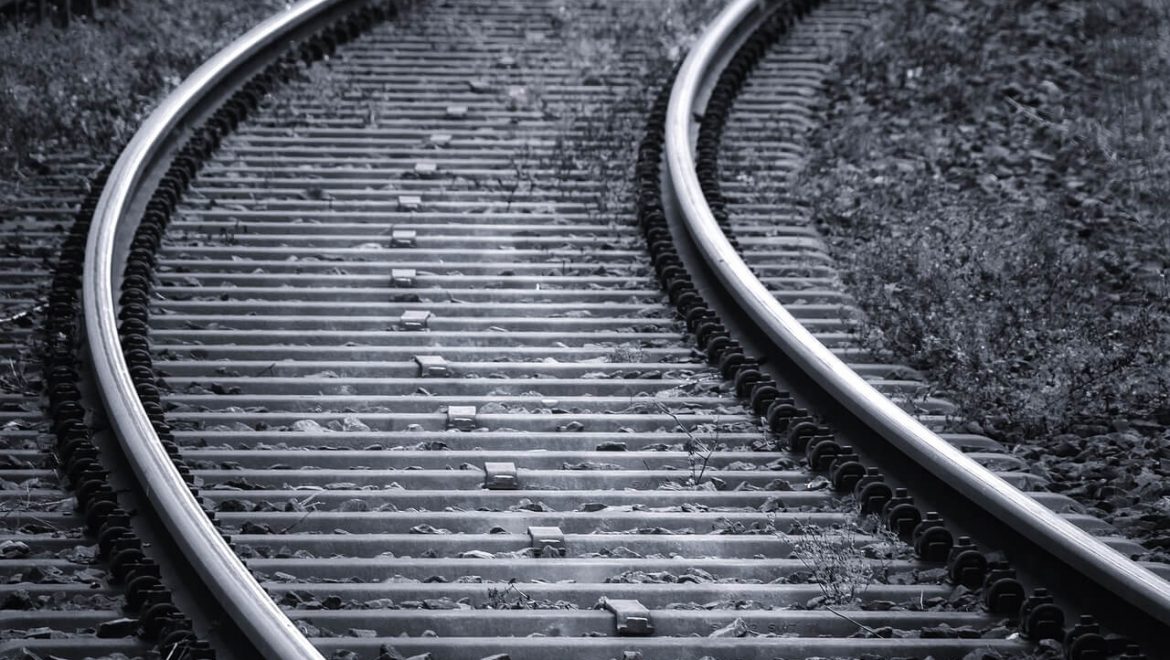
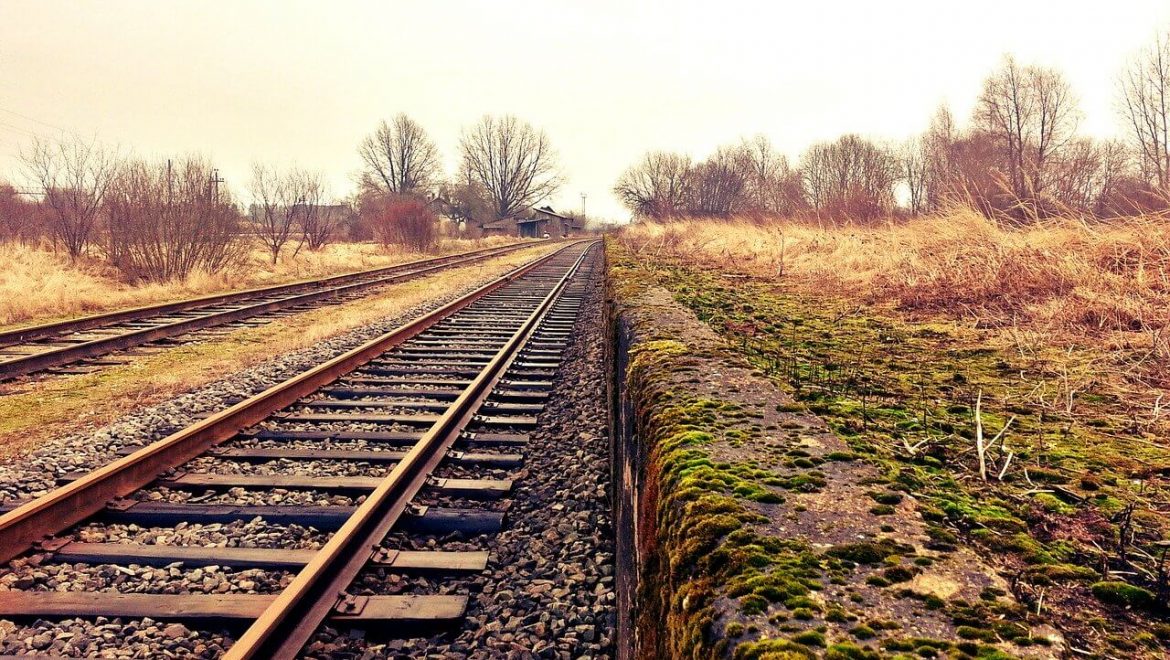
In 2016, a train carrying oil through the Pacific Northwest derailed due to broken bolts on a curved section of track. A simple rail inspection could have prevented such a terrible disaster.
No one was hurt, but the resulting fire — which burned for 14 hours — led to the evacuation of the entire town of Mosier, Oregon.
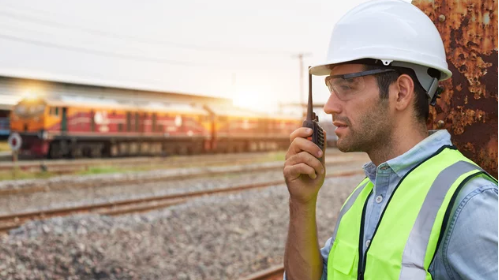
This case is yet another example of the important role the railroad inspector plays in ensuring public safety and efficient transportation. So, what does a railroad inspector do?
What Does a Railroad Inspector Do During a Rail Inspection?
Improperly maintained railroad tracks can lead to delays, malfunctions and potential accidents, often resulting in damage to rail cars and cargo as well as serious and even fatal injuries.
That’s why a railroad inspector needs to conduct regular checks on tracks to look for issues that could cause derailments.
Some of the things a railroad inspector will look for include:
Failed/failing joints — The inspector will look at the seam where two rails come together to make sure they are flush.
Worn-out railheads — Railheads that are worn need to be replaced to prevent wheels from slipping.
Uneven gauge — An inspector will make sure the rails haven’t shifted, which creates an uneven — and thus unacceptable — gauge. If they have shifted, the railroad inspector will determine what caused the shift and how to fix it.
Rail breaks — The inspector will look for places where the rails have begun to crack or split and flag those spots for repairs.
Rotted ties — If the ties holding the rails together have begun to rot or decay, it will only be a matter of time before the rails shift or spread. The railroad inspector will determine if the ties need to be replaced.
Standing water — If the inspector finds standing water, it could signal an issue with the ballast or substrate that — if left uncorrected — causes rotted ties or shifting rails.
Spike issues — Spikes need to firmly grip the rail to hold it in place. If the inspector finds spikes that are loose, bent or missing, they’ll need to be replaced.
A Rail Inspection Can Be A Lengthy Process But We Can Help
If you need a railroad inspector in the midwest, turn to R&S Track. For more than 30 years, our inspectors have helped our clients keep an expert eye on track conditions, allowing them to avoid costly repairs in the future.
From consulting to construction to inspection and repair, we have a decades-long track record of getting the job done right. Contact us today to learn more.
According to the Bureau of Labor Statistics (BLS), Railroads haul the most freight of any transport type in the US when you consider both the amount of weight carried as well as the sheer distance it must travel on the railroad system. It’s clear that without the railroad system, many industries would cease to operate as the sheer volume of their output would be impossible to carry by other means of transportation. Supporting the claim that the railroad system is an integral part of the economic backbone of the country, the BLS also states that the railroad system is a great barometer of how well the economy is doing. Nevertheless, here are 3 industries that strongly rely on the railroad system to have their needs met.
1 – The Automotive
Industry
It would be all too easy to state that the coal or steel industry relies on railroads the most, that would be a given. Who relies on steel? There are two “essential” industries that we will list below, but this is a good example of an industry that is more commercially oriented but strongly relies on freight. Not only are cars great, big pieces of steel put together well, but they’re also reliant on rail transport to get to where they need.
The Automotive Industry Relies Heavily on the Railroad System to Meet Their Needs
Sure, when you visit a dealership and they need to deliver
your car before you can drive it home, perhaps that one car may be driven down
or towed to your location, but how does all
of the inventory get there? Multiple dealerships with hundreds of cars, they
are not manufactured on location of course! These are things civilians outside
of the industry do not consider. There are 40+ automotive plants in the United
States alone, consider how many cars are produced in the country by the leading
manufacturers. The railroad system carries all of their output to the
respective states they need to end up in.
2 – Construction
Without train freight, construction would occur at a pace far too slow for anyone’s needs. Construction is always ongoing, as society continues to modernize to the latest advancements in architectural standards, developing new land, or renovating existing infrastructure, train freight supplies the materials. Steel, stone, wood, plastics, and minerals all heavy cargo and without powerful locomotives and well maintained tracks, they’d never make it there. According to the AAR (Association of American Railroads), freight railroads moved 1.5 million carloads of lumber, steel, and other materials in 2018. Not only that, but 20% of all steel products
3 – Agriculture
Before railroads, agriculture was a primarily localized affair. Farmers could only sell what could be consumed in nearby markets, limiting both their reach and their income. The arrival of railroads changed the game entirely. For the first time, perishable goods like meat and dairy could be transported over long distances, thanks to innovations like refrigerated cars. This opened up larger markets for farmers and made seasonal fruits and vegetables available year-round in places they weren’t grown.
Railroads also facilitated the mass importation of inexpensive agricultural equipment and fertilizers, enabling farmers to cultivate land more efficiently. As railroads branched further into rural areas, farming communities gained the means to move large quantities of produce swiftly to cities, thereby increasing their earning potential and paving the way for the modern agribusiness model we see today.
The Agriculture Is Another Great Example that Relies Heavily on the Railroad System
While freight carries many things relevant to farming such as fertilizers or goods such as canned foods, grain is one of the most important things transported. Things such as corn, oats, wheat, rice, barley, etc, are used in just about every food industry you can think of. These base ingredients are the essence of the country’s dietary needs; consider how much grain is needed to feed livestock alone.
4 – Manufacturing
Before the growth of railroads, manufacturing was a fragmented industry. Producers were constrained by the limited availability and high costs of transporting raw materials and finished goods. Railroads brought uniformity and speed to this process. Manufacturers could now reliably procure materials from distant places, which not only drove down costs but also allowed for greater specialization. For instance, a factory in the Northeast could use southern cotton for textile production at a significantly lower cost and higher speed than before.
This seamless flow of materials and goods also meant that manufacturers could distribute their products across a much larger territory. In doing so, railroads helped establish national markets and encouraged the development of mass production techniques, like assembly lines, which thrived on high volumes and economies of scale.
5 – Mining
Mining industries experienced a renaissance of sorts with the advent of railroads. Extracting valuable materials like coal, iron, and copper was an arduous task that required immense capital and labor. The isolated locations of many mines further complicated the logistics, making it cost-prohibitive to transport these resources to where they were most needed.
Railroads solved these problems by providing a fast and reliable way to move mined resources to factories, ports, and refineries. For example, coal, vital for the steel industry and electricity generation, could now be moved in large quantities to meet burgeoning demand. This not only made mining operations more profitable but also fueled industrialization in a symbiotic relationship.
6 – Retail
Railroads had a transformative effect on the retail industry by inspiring the inception of the department store. These large retail establishments, often situated near railway stations in bustling city centers, offered a wide variety of goods, from clothing and furniture to foodstuffs. Before railroads, maintaining such diverse inventory would have been a logistical nightmare. However, the efficient transportation network allowed for quick restocking and a greater variety of goods, attracting consumers from far and wide.
The ease of transportation also influenced consumer behavior. Weekend excursions to large cities for shopping became a popular activity, giving rise to the concept of ‘shopping as entertainment.’ Moreover, mail-order catalogs grew in prominence, as retailers could promise quick and reliable delivery of goods via rail.
What Industries Benefit From Railroads?
Railroads opened up new markets for many different industries, including agriculture, mining, and manufacturing. Farmers could now ship their crops to cities and other states more easily and cheaply than ever before. Minerals and other resources could be transported from mines to factories more efficiently. And finished products could be shipped to distant markets quickly and affordably. All of this led to increased production and profits for many businesses, as well as more jobs for workers. Railroads are important for increasing profits.
What industries could benefit from our railroad services?The answer is that many businesses can, and still do benefit from our services. We offer a fast, reliable, and relatively inexpensive way to move people and goods around. This has led to increased production and profits for many businesses, as well as more jobs for workers. Many different types of businesses have benefited from the development of railroads, including agriculture, mining, manufacturing, and even tourism. Railroads have helped farmers ship their crops to markets more easily and cheaply than ever before. They have helped miners transport minerals and other resources from mines to factories more efficiently. And they have helped manufacturers ship finished products to distant markets quickly and affordably. All of this has led to increased production and profits for railroad companies across the United States.
Other questions that people have about railroad companies and how they are used across industries are as follows:
What are the types of businesses that have benefited from railroads?
What are the products that have been transported by railroads?
What are some of the advantages of using railroads for transportation?
What are some of the disadvantages of using railroads for transportation?
What is the future of railroads in America?
Only time will tell what the future holds for railroads in America. But one thing is certain: they have played a vital role in the development of our country and will continue to do so for many years to come. That’s why we strive to be the best Midwest Railroad Contractor in North America. Some of our railroad services include consulting, surveying, track installation, track rehabilitation, & track maintenance.
Midwest Railroad Contractor – R&S Track Inc.
At RS Track, we pride ourselves on our track rehabilitation
and maintenance. When the tracks are down, so too are these industries (and
many more) that make up much of the country’s need for raw materials.
If you are seeking a qualified railroad track contractor,
look no further than R&S Track. We boast a 100% customer satisfaction policy
and are a compliant and certified Railroad Track Contractor.
Contact us
today to receive price estimate or if you have any questions you’d like to ask
us!
Whether you are constructing new tracks to replace old and worn tracks, or you’re doing maintenance on current tracks, the most essential part of having a stable track line is what ties you choose to use. There is always a question of what the situation demands, what budget allows for, and what is available, and in what quantities. For this reason, there are several different materials that are used depending on the circumstances for constructing new tracks.
Railroad Tiesvs. Railway Ties
The terms railway and railroad are often used interchangeably, but there is actually a distinct difference between the two. A railway is a system of tracks that are used to transport trains, while a railroad is a company that manages and operates a railway system. In other words, a railway is the physical infrastructure, while a railroad is the entity that owns and maintains it.
There are all sorts of different railways in existence, from passenger systems to freight lines, and they can be found all over the world. Railroad ties, also known as crossties or sleepers are the primary lateral support for the rails themselves, anchoring the track and giving it a solid, sound base upon which trains can pass over. (Credit: American Rails).
Wooden Railroad Ties
A variety of wood types were used when creating wooden rail ties such as hardwood and softwood timbers. The main benefit of using wood is that it is relatively inexpensive and can be obtained in greater quantities—which is important when you’re laying down track, the miles add up. However, these benefits have been fading as the years draw on as timber becomes much more difficult to acquire.
The drawback to using
wooden ties is that wood is susceptible to rotting due to moisture. Splitting
is another issue that compromises the integrity of that particular railway
track. Not as common, but dangerous nonetheless, is that wood ties can catch
fire.
Overall, wood has a good balance of longevity and cost which
makes it a solid option for using in your railway ties. It’s also the most
commonly used tie—according to the RTA,
which states that roughly 15 million of the 17 million installed ties are wood.
That’s over 90%!
Concrete Railroad
Ties
Concrete rail ties benefit from being very inexpensive to
purchase and can at times be easier to acquire compared to timber. Concrete
rail ties are also excellent for carrying heavier weights and are very stable,
thus allowing for higher rail speeds.
Steel Railroad Ties
Steel ties have in the past been badly abused due to rapidly
changing conditions and technology imposed on them. Many of these old steel
ties are actually still faithfully in service today globally which is a
testament to steel despite being outdated in design.
Modern steel ties can handle significantly heavier loads and
environmental conditions. Creosote-treated wood ties and concrete ties are more
impractical to install compared to steel. One of the reasons is that steel can
be neatly stacked and transported more easily, it’s also lighter and can be
more easily installed onto the existing track ballast than other materials.
Railroad Tie Installation
R&S Track is a premier
railroad contractor in the Midwest United States. We have proudly been in
business for over 27 years and have had the confidence of numerous companies
seeking a variety of solutions including but not limited to:
Consulting
Surveying
Project Design
Railroad Tie Installation/Track Maintenance
New Track Construction
We have a 100% track record of customer satisfaction. Don’t believe us? Drop us a line and references will be available on request. Call us now at (402)-564-1801 for any service inquiries or price estimates!
What does a railroad contractor do? While many people might consider railroads a thing of a bygone era, they still offer an incredible means of transport for a variety of raw materials and goods that must make their way across the contiguous United States. Steel, lumber, and all manner of incredibly important industrial necessities make their way en masse through railroads. Without these materials, many industries would come to a screeching halt as their means of production have been stifled. As you might imagine, this means that the railroad system in the United States serves an incredibly important function as part of the backbone of the economic growth of the country.
What Does a Railroad Track Contractor Do?
In the aforementioned paragraph, we talked about how
important the railway system is to economic growth and for the function of many
critical industries. Because of how important the railway system is, it means
that there must always be talented people who can maintain the integrity of the
railroads to ensure their proper functioning.
#1 – Railroad Track Consulting
How many people do you know have intimate knowledge of how
railroad tracks work? Like all industries a compliant and certified railroad track
contractor can offer professional counsel on how to lay tracks, repair them, maintain
them, and most importantly understand what to look for when performing an
inspection.
#2 – Railroad Track Rehabilitation
Track rehabilitation provides the bulk of services for many
railroad contractors. Many existing railways have been around for several
decades. From rain to snow to sunshine the elements beat on these tracks every
single day. Spanning hundreds of miles it isn’t unusual that many parts of
tracks become exceedingly worn over time and are in need of serious repair lest
they risk derailments, loss of cargo, and other impediments to business as well
as passenger safety.
Track maintenance and rehabilitation go hand in hand.
Remember it’s not just the tracks themselves that require touch ups but also
the more intricate parts such as the switches, bolts, fasteners.
#3 – New Rail Construction
We’ve already observed how critical the railway system is to industry, so it makes sense that laying new tracks is important after project design and surveying efforts have brought forth the best solutions for current pathing needs. As companies grow and expand, naturally they will need to be a part of a new line or connected to a current track line so that they can transport their goods as efficiently as possible.
What Does A Railroad Maintenance Company Do?
Over the years railroads start to experience wear and tear due to carrying heavy loads day in and day out. Its important to maintain your railway every single year. In order to maintain your railway, a typical railroad maintenance company should maintain the following:
Rail Grinding: the rail grinder corrects any warping or grooves in the railway.
Rail Replacement: upgrading your track to a higher gauge is very common.
Tamping: Is needed to correct the alignment of your railway.
Track Stabilization: helps compact the ballast underneath the rails and reduce lateral resistance.
Ballast Injection: ballast injection corrects the longitudinal profile of the rails.
Sleeper Replacement: bad sleepers can cause trains to derail, replacing them is very important.
Midwest Railroad
Contractor
R&S Track has been servicing the track maintenance needs of the Midwest since 1987! We have an excellent—no pun intended, track record of getting the job done. We are OSHA safety compliant, DOT safety compliant, as well as ISNET certified.
Servicing railways is a job that
has a level of danger that comes with it. It is crucial that you partner with a
railroad contractor that not only can get the job done, but also respects the
rails.
Contact us today for all of your
railway servicing needs and we’ll be happy to answer your call as well as any
questions you may have.
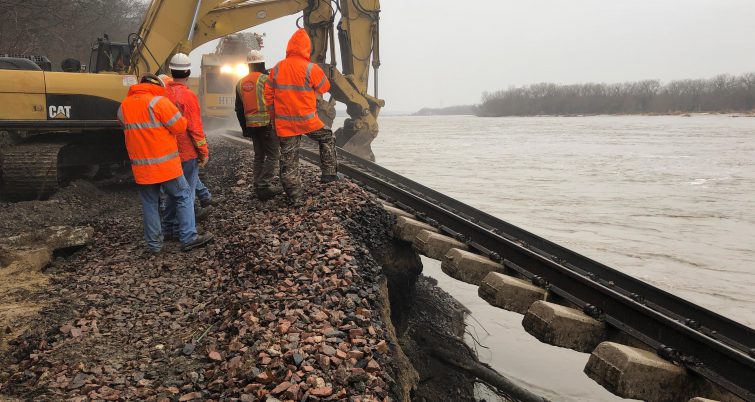
The rail-contracting community has put considerable numbers of workers and equipment into the field, as railroads look to rebuild washed-out sections of track from Midwest floods. “We’re operating 24/7,” said Greg Grissom, president of GREX. “GREX has 29 trains working the flooding in Nebraska and 40 employees on the jobs. That’s a total of 379 cars of ballast being unloaded at any given time.”
James Hansen, chief commercial officer of Herzog, reached by Railway Track and Structures as he boarded a helicopter to survey damage, said his company had also committed workers and equipment to the cause.