What Makes a Railroad Track FRA-Compliant?
Railroad tracks must meet more than basic structural requirements to support safe train operations. But what actually determines whether a railroad track is FRA-compliant, and who is responsible for maintaining that compliance?
The Federal Railroad Administration (FRA) establishes minimum safety standards for applicable railroad infrastructure throughout the United States. Understanding these requirements helps railroad operators, facility managers, and track owners identify potential deficiencies, prepare for inspections, and make informed maintenance decisions.
What Are FRA Railroad Track Safety Standards?
An FRA-compliant railroad track meets the applicable federal requirements outlined in 49 CFR Part 213, also known as the Track Safety Standards.
These regulations address track structure, geometry, inspections, maintenance, and operating conditions. Requirements vary according to the track’s designated classification, making compliance dependent on how the railroad is intended to operate.
Key Requirements for FRA-Compliant Railroad Track
Track Classification and Operating Speeds
The FRA assigns track classifications that establish maximum permissible operating speeds and corresponding maintenance requirements.
For example, Class 1 track permits freight trains to operate at speeds up to 10 mph, while Class 4 permits freight speeds up to 60 mph. Higher classifications require tighter tolerances to accommodate increased operating demands.
Track Geometry and Structural Integrity
Proper track geometry is essential for maintaining FRA compliance. Inspectors evaluate measurements such as track gauge, alignment, elevation, and surface irregularities to determine whether they fall within permitted limits.
The physical components must also satisfy applicable standards. This includes rail condition, crosstie support, fastening systems, ballast, drainage, and switches. A track may appear operational while still containing defects that require corrective action under federal regulations.
How Often Must Railroad Tracks Be Inspected?
FRA compliance is an ongoing responsibility, not a one-time approval following installation or repair.
Under 49 CFR § 213.233, inspection frequency depends on track classification, traffic volume, and usage. For example, Class 1 through 3 main tracks generally require weekly inspections, while Class 4 and 5 tracks require inspections twice weekly.
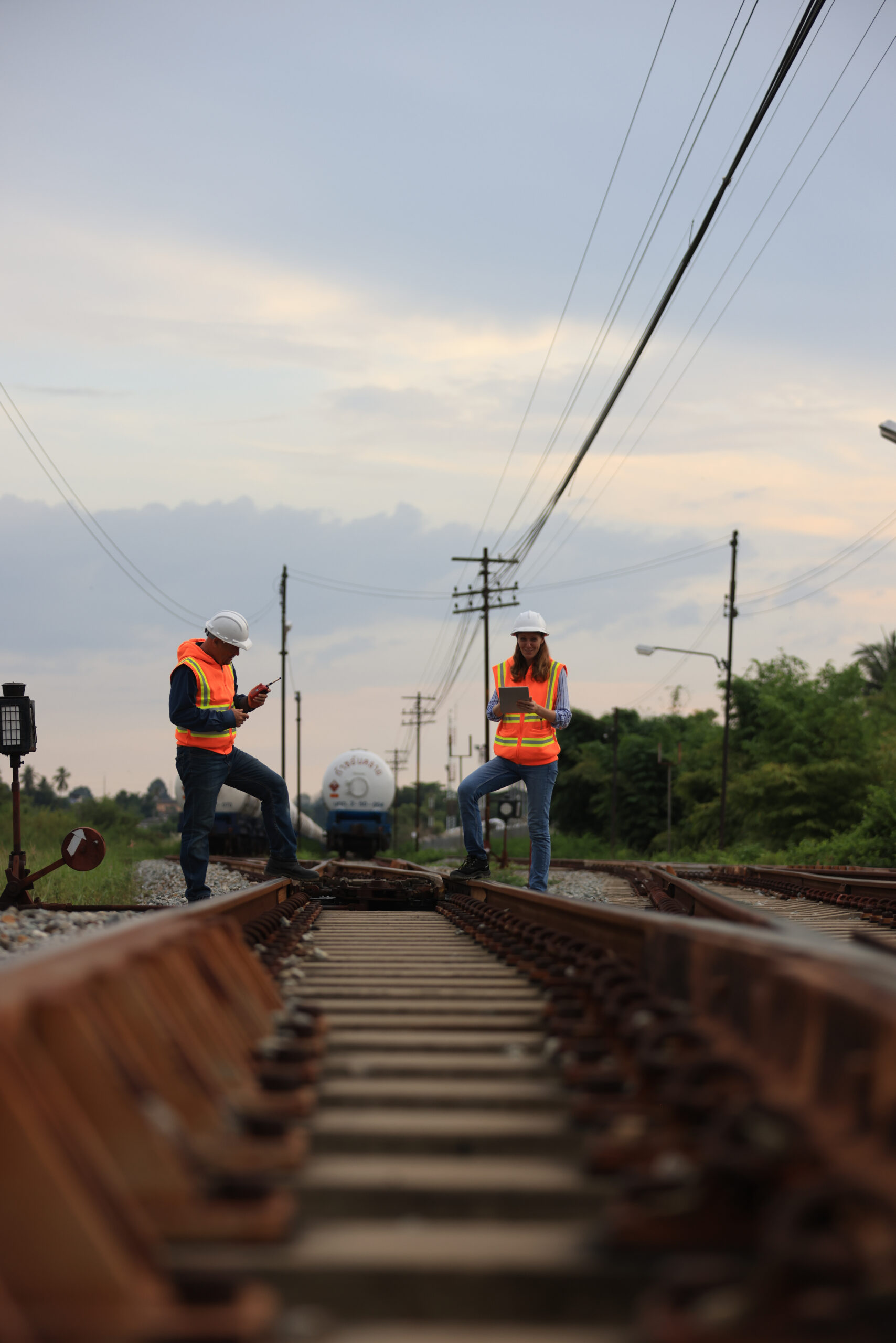
Inspections must be performed by designated qualified individuals. When a deviation is identified, appropriate remedial action must be initiated immediately, which may involve repairs, operating restrictions, or removing the affected track from service.
Maintaining FRA Compliance Through Preventive Maintenance
Waiting until a track fails an inspection can lead to avoidable operational disruptions. A preventive maintenance program allows railroad operators to address developing conditions before extensive repairs become necessary.
Activities may include replacing deteriorated ties, correcting track alignment, maintaining drainage, and repairing damaged rail components. Accurate inspection and maintenance records also help operators document track conditions and corrective actions over time.
Frequently Asked Questions
Who is responsible for ensuring railroad track meets FRA standards?
The track owner is generally responsible for compliance under 49 CFR § 213.5, although another party may assume responsibility through a qualifying written assignment. Hiring an outside maintenance contractor does not automatically transfer that legal responsibility.
Do private industrial railroad tracks have to meet FRA requirements?
It depends on how the track is used and whether it falls within the FRA’s regulatory jurisdiction. Certain plant railroads operating entirely within an installation are excluded, while privately owned tracks connected to the general railroad system may be subject to federal requirements.
Can railroad tracks remain operational while undergoing repairs?
In certain circumstances, yes. Qualified personnel must determine whether operations can safely continue under applicable restrictions. Some deficiencies require immediate removal from service until appropriate corrective measures are completed.
Keep Your Railroad Infrastructure Ready for Operation
Maintaining railroad infrastructure requires experienced personnel who understand both regulatory expectations and the practical demands of daily rail operations.
R&S Track provides professional railroad track services to help facilities address infrastructure needs and maintain dependable rail access. Explore our services and connect with our team to discuss your track maintenance or repair requirements.