What Happens During a Track Inspection Service: A Complete Guide
Railroad safety doesn’t happen by accident. It’s the result of detailed planning, rigorous maintenance, and precise inspections that catch problems before they become disasters.
Every day, trains carrying passengers and cargo traverse thousands of miles of track. Behind every safe journey is a detailed track inspection service, a systematic process that identifies defects, prevents derailments, and ensures compliance with Federal Railroad Administration (FRA) standards.
But what exactly happens during a track inspection? How do inspectors find problems that could compromise safety? And what role does modern technology play in keeping America’s rail network secure?
What Inspectors Check: The Critical Components
Railroad track is a complex system of interconnected components. Each plays a vital role in safe operations.
- Rails: Inspectors look for cracks, wear, alignment issues, and gauge problems that could affect train stability and safety.
- Ties: Railroad ties are checked for damage, decay, spacing issues, and the ability to properly secure the rails.
- Ballast: Inspectors evaluate ballast conditions to ensure proper drainage, track support, and overall track stability.
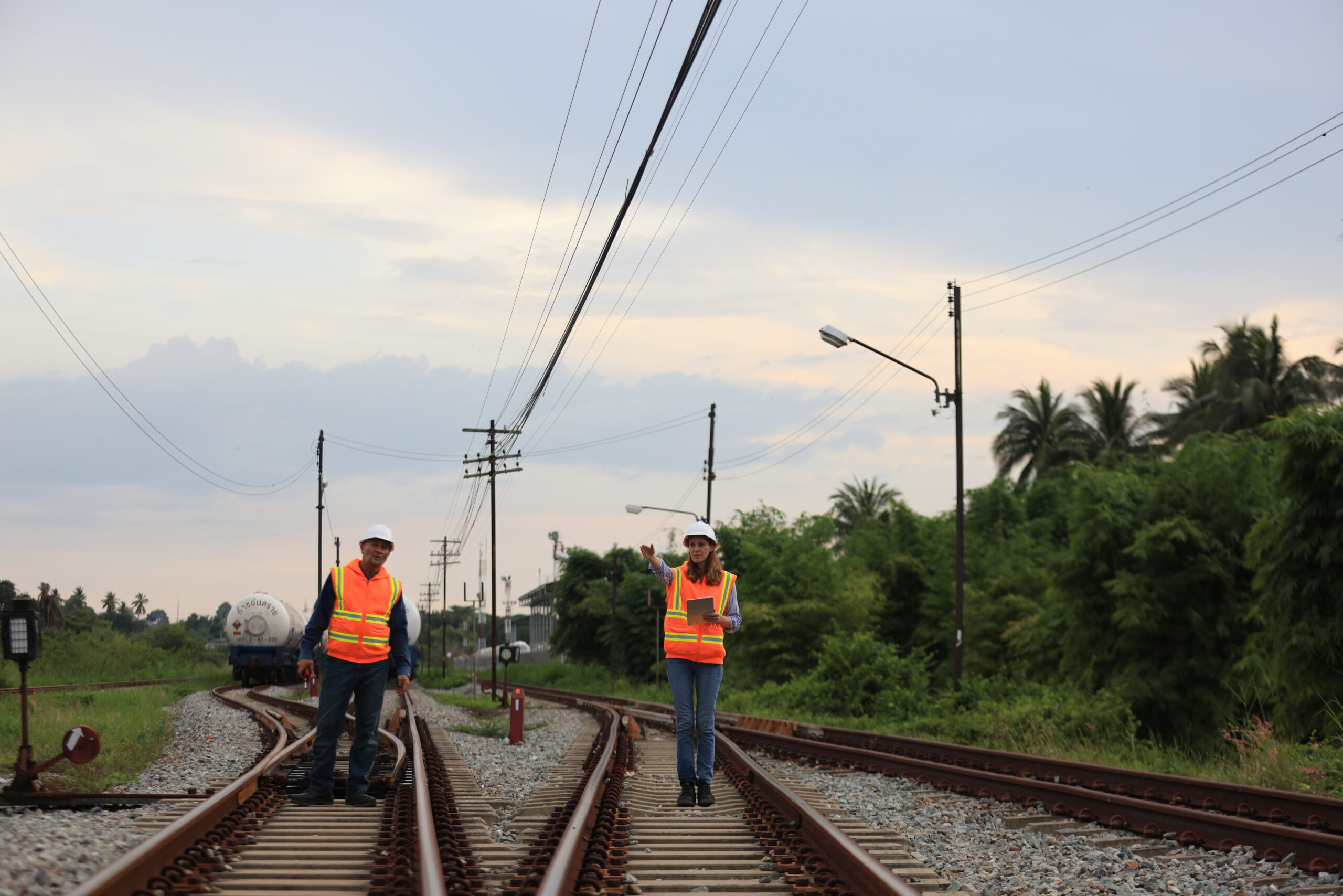
- Switches and Turnouts: These components are inspected for wear, alignment, and proper operation to help prevent derailments and delays.
- Track Geometry: Measurements are taken to identify uneven surfaces, alignment problems, and other conditions that may impact ride quality and safety.
Why Track Inspections Matter: The Safety Foundation
Railroad track inspection isn’t a luxury, it’s a legal requirement and a safety imperative. The FRA mandates regular inspections to prevent derailments (the leading cause of rail accidents and injuries), ensure passenger safety, protect cargo integrity, extend track life, maintain compliance with federal standards, and optimize operations by minimizing delays caused by emergency repairs.
A single derailment can result in fatalities, environmental disasters, and millions in damages. Track inspections are the first line of defense against these catastrophic events. The cost of preventing a derailment through regular inspection is trivial compared to the cost of dealing with one after the fact.
Inspection Methods: From Manual Checks to AI Technology
Modern track inspection combines traditional visual assessment with the newest technology.
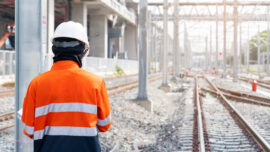
- Visual Inspections: Crews walk or ride sections of track to identify visible damage, loose components, and maintenance concerns.
- Geometry Cars: Specialized inspection vehicles use sensors to measure track alignment, elevation, and overall geometry.
- Rail Detector Cars: Ultrasonic and electromagnetic technology help detect internal rail defects that are not visible from the surface.
- Vehicle Track Interaction Monitoring: Sensors mounted on trains continuously collect data on track performance and potential problem areas.
- AI and Imaging Technology: High-speed cameras and artificial intelligence help identify wear patterns, vegetation issues, and other track defects more efficiently.
The Track Inspection Process: From Data Collection to Action
A comprehensive track inspection service follows a systematic process. Data collection gathers information using multiple methods, visual assessment, geometry measurements, internal defect detection, continuous monitoring, image analysis, and environmental assessment. Defect identification analyzes collected data to identify misalignment, worn components, damaged ties, fastener problems, internal rail defects, switch problems, ballast issues, and environmental concerns. Each defect is documented with location, type, severity, measurement data, and photos.
Reporting and documentation compile detailed inspection reports including executive summaries, detailed findings with measurement data and photos, compliance documentation, and prioritized repair recommendations. Action and repair recommendations range from immediate safety-critical actions to routine maintenance like tamping and spot tie replacement, to major repairs like rail replacement and bridge repairs.
The Critical Role of Track Inspection
Track inspection is the foundation of safe, reliable railroad operations. Comprehensive inspection programs protect passengers, cargo, and the public. The most successful railroads combine multiple inspection methods, invest in modern technology, and maintain a culture of safety and continuous improvement.
Whether you’re managing a major railroad network or a short-line operation, comprehensive track inspection is essential. It’s how you ensure that every train journey is safe, every schedule is met, and every component of your track system performs as designed.
R&S Track specializes in comprehensive railroad track inspection and maintenance services. Our team combines decades of industry experience with the latest technology to keep your track system safe, reliable, and compliant. Contact us to discuss your track inspection needs and how we can help optimize your maintenance program.