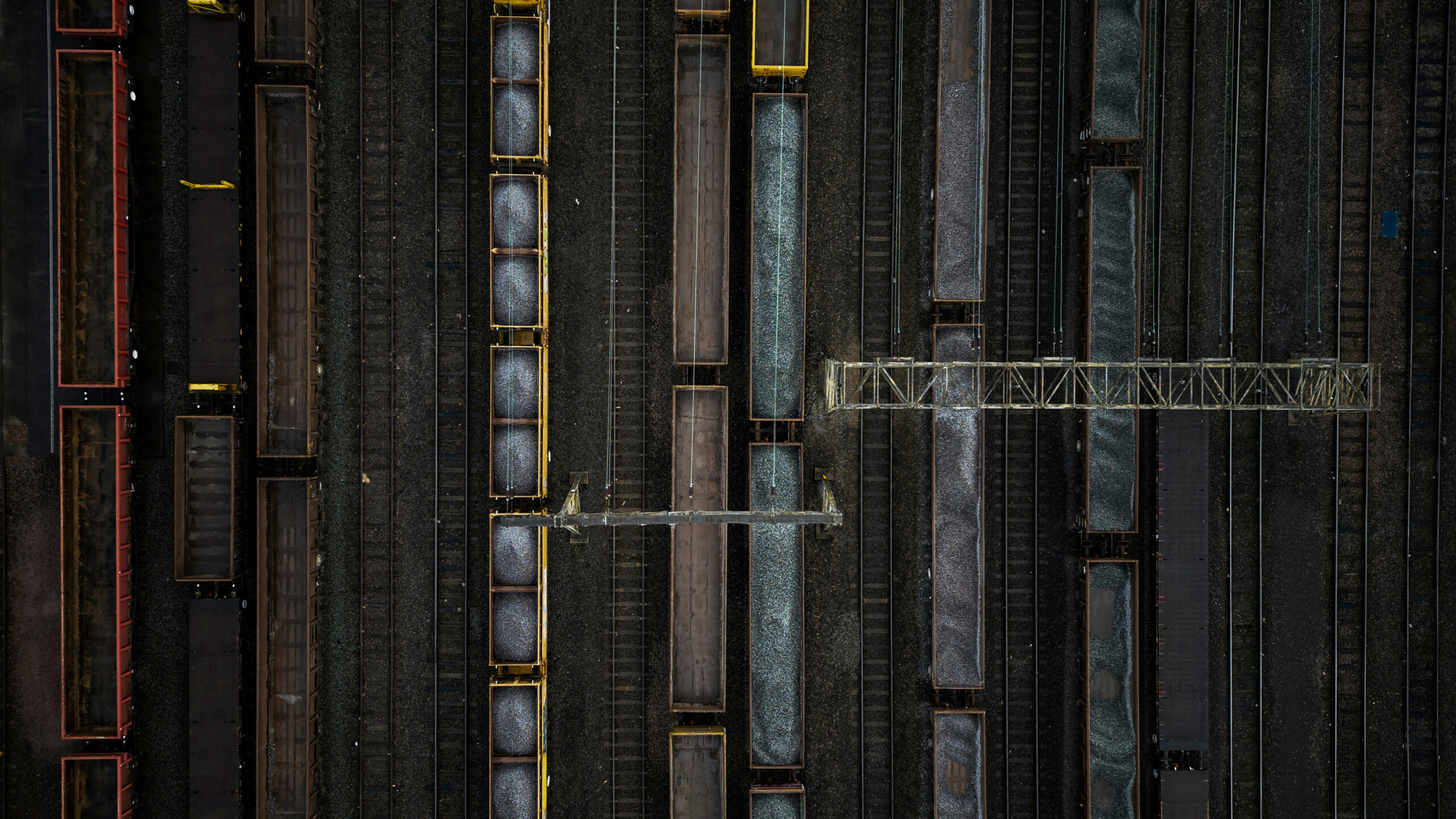
When Is It Time to Add Additional Railroad Track?
For ethanol plants, transloading facilities, and other rail-served industries, track capacity directly affects productivity. When a rail spur is too short or poorly laid out, every shipment becomes harder to manage. Spotting the warning signs early lets you expand before capacity limits cost you time and revenue.
It’s time to add additional railroad track when your existing rail system can no longer keep up with your car volume, loading schedule, or operational demands. Common signs include rail car congestion, frequent switching delays, longer turnaround times, and track that wears out faster than expected under heavier use.
What Does Adding Railroad Track Involve?
Adding railroad track means expanding an existing rail system with new sidings, spurs, storage tracks, or turnouts to increase capacity and improve operational flow. It can mean extending a single spur or redesigning an entire yard layout.
Like any new railroad construction project, a track expansion requires proper site preparation, subgrade compaction, drainage, ballast, ties, and rail installation. The new track must also connect safely with existing lines and meet the requirements of the servicing railroad.
Signs Your Facility Needs Additional Railroad Track
Most facilities need additional track when rail traffic, storage needs, or production goals outgrow the original design. Here are the most common indicators.
Rail Car Congestion and Limited Storage Space
If loaded and empty cars are competing for the same limited space, your track is likely at capacity. Crews end up spending extra time shuffling cars, and servicing railroads may delay deliveries or pickups. Additional storage or siding track gives you room to stage cars efficiently.
Slower Loading and Unloading Times
When loading windows keep getting tighter but turnaround times keep getting longer, your track layout may be the bottleneck. Extra track allows multiple cars to be positioned at once, reducing unnecessary switching moves and keeping production on schedule.
Increased Production or New Rail Traffic
Facility growth is one of the clearest reasons to expand. Whether you’re increasing ethanol output, handling larger wind turbine components, or bringing in new commodities, your rail infrastructure needs to grow alongside your operations.
Rising Track Wear and Maintenance Needs
When a small section of track carries more traffic than it was built for, wear accelerates. If your railroad track maintenance needs keep climbing because the same rails and switches handle constant movement, adding track can spread that load and extend the life of your existing system.
Why Proper Planning Matters for Rail Track Expansion
Proper planning ensures new track fits your site, supports future capacity needs, and connects safely to existing rail lines. Skipping this step can lead to poor alignment, drainage problems, and costly redesigns.
A successful expansion typically starts with a site survey to document your current track inventory, followed by project design that accounts for curvature, grade, clearances, and switch placement. Every phase of railroad construction should also follow railroad safety standards and the specifications of the servicing railroad to avoid rework and approval delays.
How Long Does a Rail Track Expansion Take?
Adding railroad track typically takes anywhere from a few weeks for a short spur extension to several months for a larger yard expansion, depending on site conditions, material availability, and railroad approvals. Before any new track is connected and put into service, it must meet railroad safety standards and the design specifications of the servicing railroad. Building these requirements into the plan from day one keeps your project on schedule, protects your crews, and prevents costly surprises during final inspection.
At R&S Track, our team has supported rail-served industries across the Midwest since 1987, helping clients plan and build track for operations ranging from ethanol production to wind turbine transloading sites.
Benefits of Adding Railroad Track to Your Facility
Expanding your track system improves capacity, efficiency, and long-term reliability. Key benefits include:
- Greater Capacity: More track means more room to store, stage, and move rail cars without congestion.
- Faster Turnaround Times: Better layouts reduce switching moves and help cars get loaded and released on time.
- Reduced Wear on Existing Track: Spreading traffic across more track lowers stress on rails, ties, and switches, making railroad track maintenance easier to manage over time.
- Improved Safety: New track built to current railroad safety standards reduces congestion-related risks and supports safer crew movements.
- Room for Future Growth: A well-designed expansion prepares your facility for higher volumes down the road.
- Stronger Railroad Relationships: Efficient car handling makes your facility easier for servicing railroads to work with.
FAQs
Can new track be built while my facility stays in operation?
Yes. Crews can phase the work around your shipping schedule to keep rail traffic moving.
Should I repair my existing track instead of adding new track?
Track repairs restore worn track, but they don’t add capacity. If you need more room for rail cars, new track is the better choice.
Can new track be built with continuous welded rail?
Yes. Continuous welded rail has fewer joints, which gives cars a smoother ride and reduces joint-related repairs.
Build Rail Capacity for What’s Next
Adding railroad track is an investment in efficiency, safety, and future growth. When your current layout starts limiting operations, a well-planned railroad construction project can restore flow and reduce long-term strain on your system.
R&S Track provides consulting, surveying, project design, new track construction, and railroad track maintenance services for railroads and rail-served industries throughout the Midwest. Contact our team today to discuss your expansion plans and keep your operation running strong.