Understanding the Railroad Track Construction Process: A Step-by-Step Guide
Railroad tracks are only as strong as the system built beneath them. Every rail line depends on a carefully engineered foundation that can handle constant pressure, heavy loads, and changing environmental conditions.
That’s why railroad construction isn’t just about laying track, it’s about building a stable, layered system designed for long-term safety and performance.
What Is Railroad Track Construction?
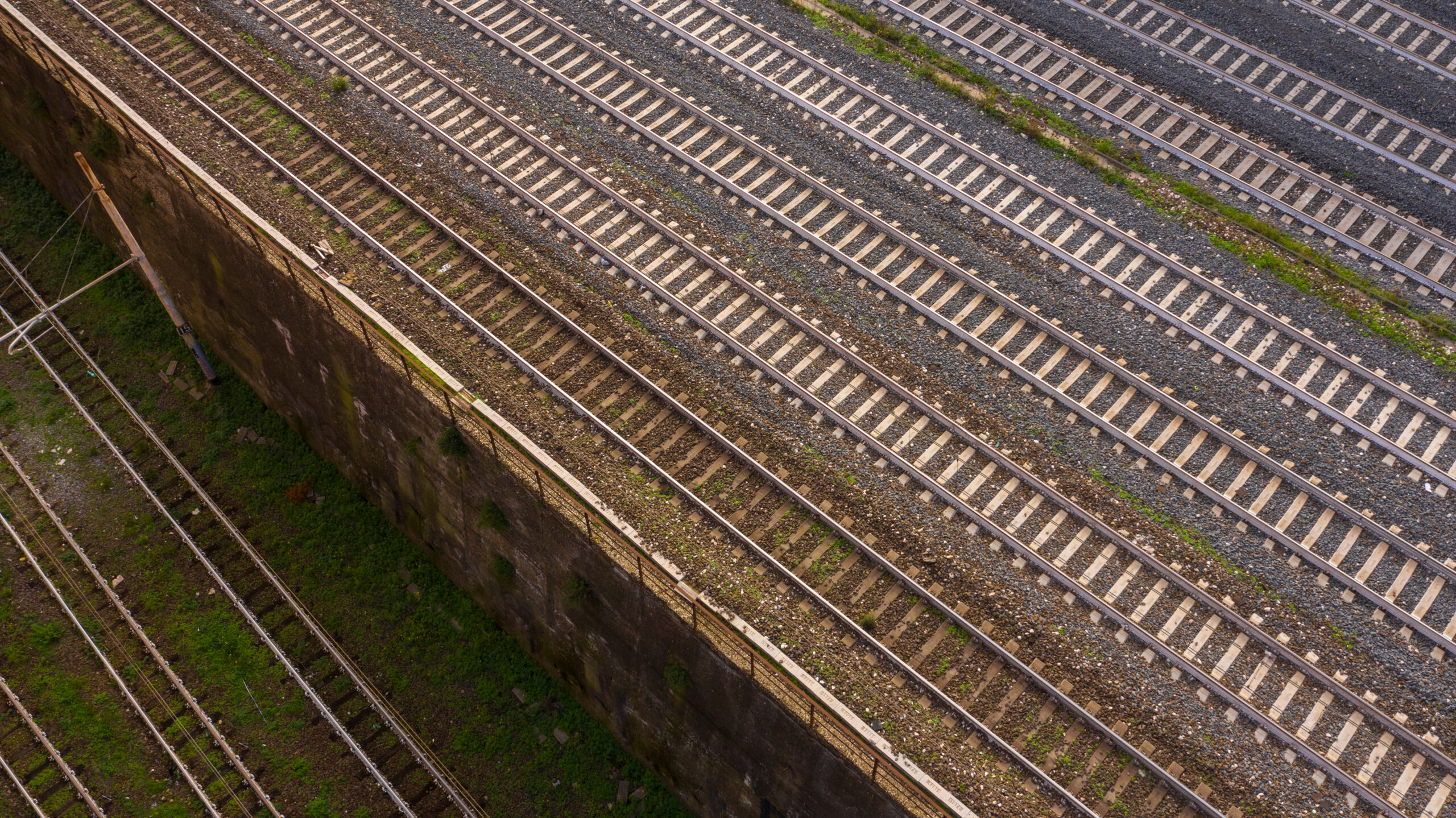
Railroad track construction is the engineering process of building a complete rail system from the ground up. It involves preparing the land, installing structural layers, and assembling the track components that allow trains to operate safely.
The process includes shaping and stabilizing the ground, adding drainage and support layers like ballast, and securing ties and rails into a precise alignment. Each part works together to distribute weight, reduce movement, and maintain track stability under constant train traffic.
How Does Railroad Track Construction Work?
Modern railroad construction follows a step-by-step process to create a stable track system:
- Site Preparation: Crews clear, grade, and compact the ground to create a stable foundation for the track.
- Ballast Installation: Crushed stone ballast is added to improve drainage, distribute weight, and support track stability.
- Tie and Rail Placement: Ties are installed across the ballast, and rails are fastened into place using specialized equipment.
- Alignment and Inspection: Contractors carefully align and inspect the track to ensure it meets railroad safety and operational standards.
Why Proper Railroad Construction Matters
Proper railroad construction helps improve safety, track stability, and long-term performance. Weak foundations, poor drainage, or incorrect alignment can lead to track shifting, faster wear, and costly repairs over time.
Professional construction also helps rail systems meet industry safety regulations and operational requirements. Modern rail projects often include advanced surveying, inspection equipment, and signaling systems to improve accuracy and reduce future maintenance concerns.
When construction is done correctly from the start, railroads experience fewer operational issues and more reliable long-term performance.
Benefits of Professional Railroad Construction
A properly done railroad construction sets up the whole system for long-term use:
- Stronger Tracks- A solid base keeps rails aligned under nonstop weight.
- Better Load Distribution- Great construction spreads the weight of heavy trains evenly across the track. So, the damage risks go down a lot.
- Less Vibration and Noise- Fewer rail joints let the contact be smoother. Such continuous welded rails reduce vibration and noise.
- More Safety- Following the necessary railroad safety standards makes risks during operation less likely.
- Expense Cuts- Solid builds ensure that tracks stay strong in the coming years. This cuts repair spending.
- Smoother Train Runs- Get the alignment right, and trains run consistently.
- Higher Speeds- Well-built tracks allow trains to run at higher speeds without compromising on stability/safety.
- Better Drainage- Ballast helps water move away instead of making the track weak.
- Longer Lasting Tracks- A well‑built track means less wear and fewer breakdown headaches.
- Reduced Derailment Chances- Lining up the tracks precisely and building the railroad, keeping stability in mind, lowers the chances of track-related failures when the train’s moving.
FAQs
What types of ties are used in railroad construction?
Railroad tracks typically use either treated wood ties or concrete ties, depending on the project requirements and expected rail traffic.
How is drainage handled in railroad construction?
Drainage is built into the design using graded soil, ditches, and ballast layers that allow water to flow away from the track instead of pooling beneath it.
Can railroad construction be done in active rail areas?
Yes, but it requires strict coordination, safety protocols, and phased construction planning to avoid disrupting train operations.
Building Rail Systems That Last
Railroad construction is about creating a strong foundation for safe and reliable operations long after the project is complete. From site preparation to final alignment, every stage of the process plays a role in the durability and performance of the track system.
At R&S Track, we provide professional railroad construction, repair, and maintenance services designed to support long-term safety and reliability. Contact our team today to learn more about how we can help with your next railroad project.