What Goes Into Replacing Railroad Ties and Why It’s Critical for Safety
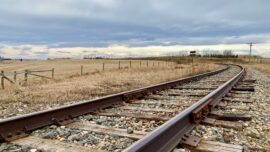
When people think about railroads, they usually imagine the trains themselves: the roaring engines, the long chains of cars, the iconic sound of a horn echoing through the countryside. What few realize is that none of this impressive machinery could move safely without a much humbler component: the railroad tie.
Railroad ties (sometimes called sleepers) may seem like mere planks of wood or slabs of concrete, but they’re the unsung heroes of the rail network, silently supporting more than 140,000 miles of track in the United States alone (Association of American Railroads, 2023). Replacing these ties isn’t just routine maintenance; it’s fundamental to the safety of the entire transportation system.
Why Railroad Tie Replacement Matters
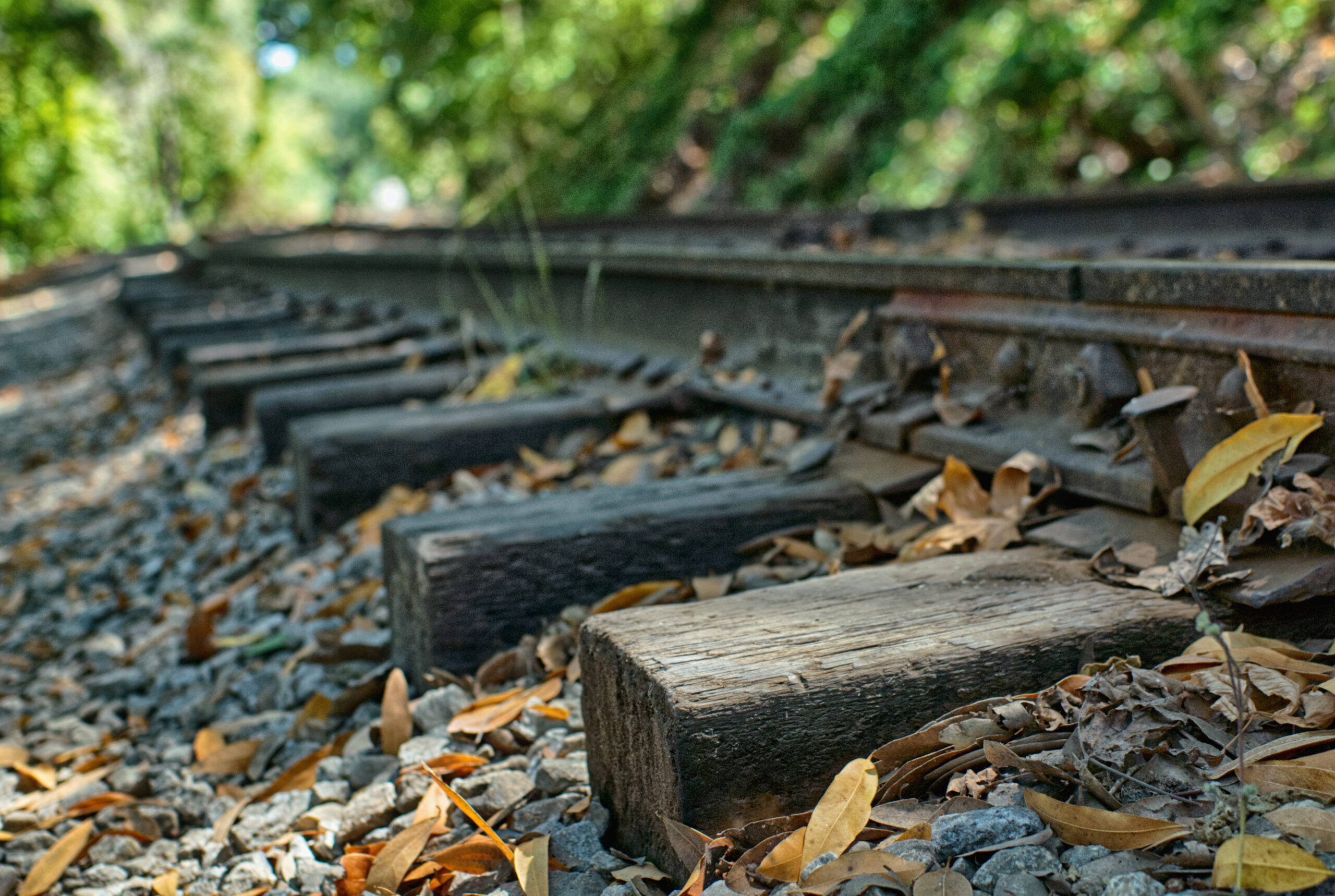
Railroad ties provide the foundation that holds the steel rails in precise alignment, maintaining gauge and stability under tremendous loads and harsh conditions. Over time, ties deteriorate due to moisture, temperature fluctuations, heavy freight, and general wear and tear. When they fail, the risks escalate:
- Track misalignment
- Derailments
- Operational delays
- Compromised worker and public safety
According to the Federal Railroad Administration (FRA), defective ties are a contributing factor in roughly 15% of track-related derailments annually.

The Lifecycle of a Railroad Tie
Wooden ties, still the most commonly used, generally last between 25 to 40 years depending on climate, load, and treatment methods. Concrete ties, preferred for heavy-traffic corridors, may stretch their lifespan closer to 50 years. But no tie lasts forever, and proactive replacement is critical.
Signs a Railroad Tie Is Failing
Detecting a failing tie isn’t always obvious. Many issues hide beneath the surface until they compromise the structure. These are the most common red flags maintenance crews monitor:
- Visible rot or decay
- Cracking or splitting
- Loose or missing fastening systems
- Excessive rail movement or gauge spreading
- Discoloration from prolonged moisture exposure
- Insect damage (in wood ties)

How Railroad Tie Replacement Works
Replacing railroad ties isn’t as simple as swapping out old for new. It’s a highly orchestrated process that prioritizes safety, precision, and efficiency, all while minimizing disruption to active rail lines.
Step 1: Inspection & Planning
Experienced railroad contractors like RS Track, Inc. begin with thorough inspections, often leveraging both manual assessment and advanced technologies like track geometry cars and ground-penetrating radar to identify weak ties.
Step 2: Scheduling
Replacement work is typically scheduled during planned maintenance windows to avoid interfering with commercial schedules. This requires tight coordination with rail owners and operators.
Step 3: Removal
Specialized machines, known as tie extractors, are used to safely remove old ties without disturbing the ballast (the crushed stone bed that supports the track). Manual labor may still play a role in more sensitive areas.
Step 4: Installation
New ties (wood, concrete, or composite) are inserted using tie inserters, ensuring precise positioning to maintain proper track gauge. The ties are secured with updated fastening systems designed to withstand modern freight loads.
Step 5: Surfacing and Tamping
Once the new ties are in place, ballast is realigned and compacted using tamping machines to stabilize the track and ensure correct alignment. This step is crucial for safety and longevity.
Step 6: Final Inspection
Before returning the track to service, inspectors verify alignment, gauge, and tie integrity according to FRA standards.
The Scale of the Work
To put it in perspective, the rail industry replaces approximately 16 million wood ties every year in the United States alone (Association of American Railroads, 2023). These numbers highlight how critical ongoing tie maintenance is to keeping the freight economy, valued at over $800 billion annually, running safely and efficiently.
Safety Implications
Railroads move about 40% of all U.S. freight by ton-miles (Bureau of Transportation Statistics, 2023), making safety paramount. Poorly maintained ties can lead to catastrophic derailments, environmental damage, injuries, and costly lawsuits.
In 2022, the FRA reported over 1,000 track-related accidents, with deteriorating infrastructure among the top causes. By investing in proactive tie replacement, companies significantly reduce these risks.
Environmental Considerations
While wooden ties are treated with preservatives like creosote to extend their life, eventual disposal is carefully regulated. Concrete and composite ties offer more sustainable options for high-traffic corridors, reducing the frequency of replacements and environmental impact over time.
Why Choose RS Track, Inc.?
As a trusted railroad contractor specializing in railroad construction and maintenance, RS Track, Inc. brings decades of expertise to every project. Our teams are trained in the latest safety protocols, equipped with modern machinery, and committed to keeping your rail operations safe, reliable, and compliant.
We understand that railroad tie replacement isn’t just about replacing old wood or concrete. It’s about protecting lives, cargo, infrastructure, and communities, all while keeping the wheels of the economy turning.
A Job That Can’t Be Overlooked
Railroad tie replacement is a vital, ongoing investment in safety and efficiency. Neglecting it invites risk, while proactive maintenance ensures smooth operations, safer travel, and longer infrastructure life.
At RS Track, Inc., we specialize in the meticulous work that keeps your rail lines performing at their best, because in railroad construction, there’s no room for shortcuts.